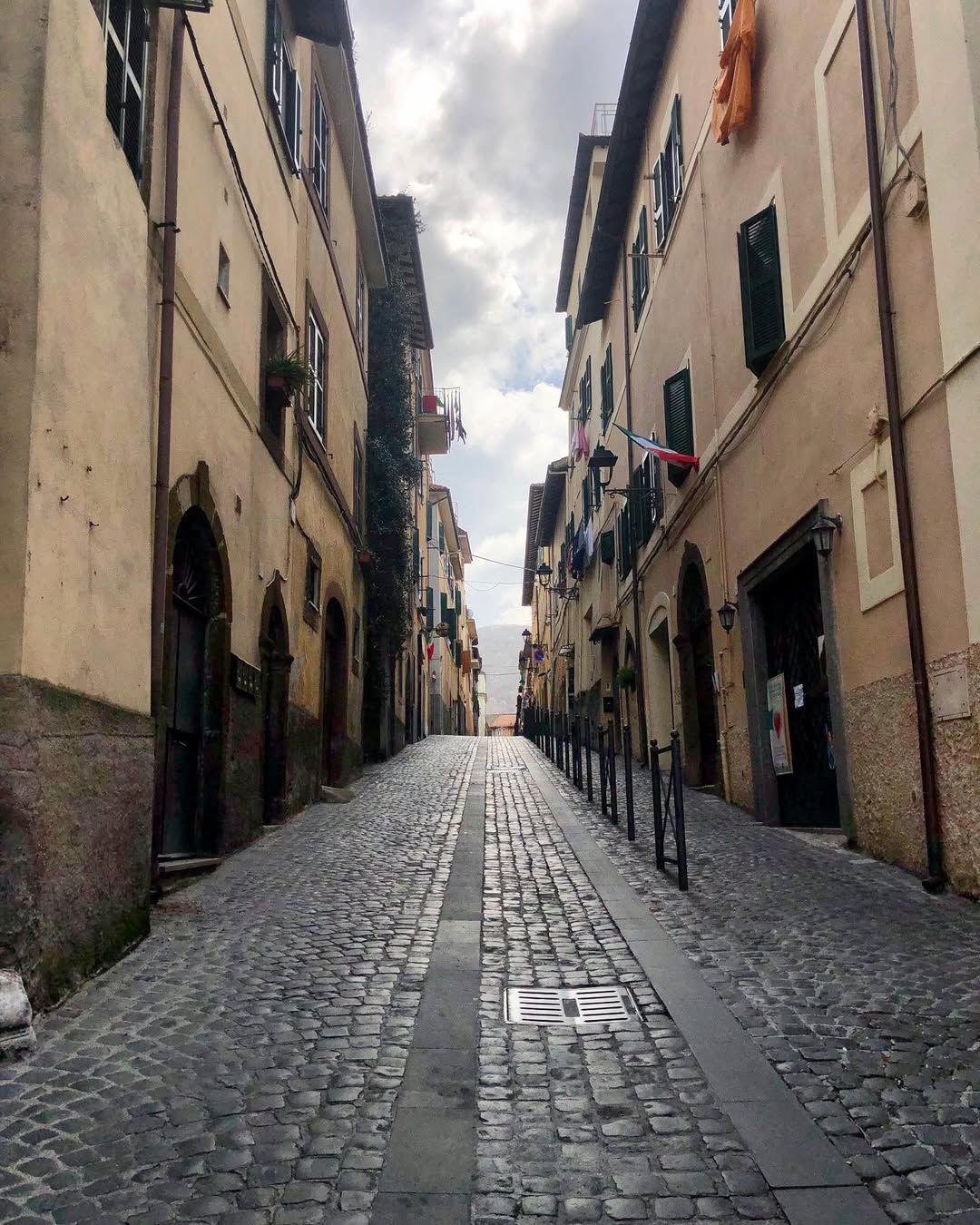
Every time you read the name of our town you also read his: Catone, Cato. Marcus Porcius Cato, the Censor, is the most famous historical figure born on the hill above Monte Porzio, and one of the toughest and most influential men of republican Rome.
Who was Cato the Censor?
He was born at Tusculum around 234 BC (the date is approximate). The family was plebeian, with some military record but no important civil offices, and according to tradition he was raised to be a farmer.
A Roman nobleman, Lucius Valerius Flaccus, noticed him and brought him to Rome. From there his career followed the usual path of Roman politics: quaestor in 204 BC, aedile in 199, praetor in 198, consul in 195 together with Flaccus and censor in 184. In 191 he had served as a military tribune in the war against Antiochus III.
Why “the Censor”?
The nickname comes from the censorship, the office that oversaw public morals and the state’s accounts. As censor Cato fought against luxury, against the spread of Greek ways in Rome and against the Bacchanalia, and went as far as asking for Greek philosophers to be expelled. He is sometimes also called “the Elder”, a name explained by his long life.
Carthago delenda est
This is the sentence he is best remembered for. After a mission to Carthage in 157 BC, Cato insisted in the Senate that the city be destroyed, and according to tradition he ended his speeches with Ceterum censeo Carthaginem esse delendam, “furthermore, I believe that Carthage must be destroyed”.
He did not see it happen: Carthage was destroyed in the Third Punic War, after his death in 149 BC.
His writings
Cato was also one of the first great writers in Latin.
- De agri cultura. His only work to survive complete: a practical handbook on farming, with the first Roman rules on growing vines and making wine. It is a thread that links Cato to today’s vineyards, as told in Frascati wine.
- Origines. Written in old age, it is considered the first work of history in Latin. Only a few fragments remain.
- Speeches. About 150 were known; fragments of about eighty survive today.
What was his link with Tusculum?
He was born there, but his public life took place in Rome, where he died. Tusculum was his home town, not the city where he built his career. The idea that he was meant to be a farmer is his family’s tradition, and his handbook on fields and vineyards echoes it.
Cato and the name of the town
“Catone” was added to the name of the town only in 1872, by a royal decree of 30 December, to tell Monte Porzio apart from another town with the same name in the Marche. The reference is to Marcus Porcius Cato himself, who tradition says was born here. The origin of “Porzio”, on the other hand, is linked by one tradition to the gens Porcia, Cato’s Roman family, but it has not been proved. The details are in why is it called Monte Porzio Catone.
A family with a heavy name
Cato had two wives and two sons: Marcus Porcius Cato Licinianus, by Licinia, and Marcus Porcius Cato Salonianus, born when he was about eighty. His great grandson was Cato the Younger, another famous Cato of Roman history.
In short
- Who: Marcus Porcius Cato the Censor, born at Tusculum around 234 BC, died in Rome in 149 BC.
- Career: consul in 195, censor in 184 BC.
- The sentence: Ceterum censeo Carthaginem esse delendam, after his journey to Carthage in 157 BC.
- Writings: De agri cultura (complete), Origines and speeches (fragments).
- The town: has carried his name since 1872. Read also Tusculum and Monte Porzio and Rome.
Sources
- Wikipedia, Catone il Censore
- Italian Ministry of Culture, Parco archeologico culturale di Tuscolo
- Wikipedia, Monte Porzio Catone
Written by Osteria Il Tinello, Monte Porzio Catone. Last updated: 5 November 2026. Spotted a mistake? Message us on WhatsApp.